
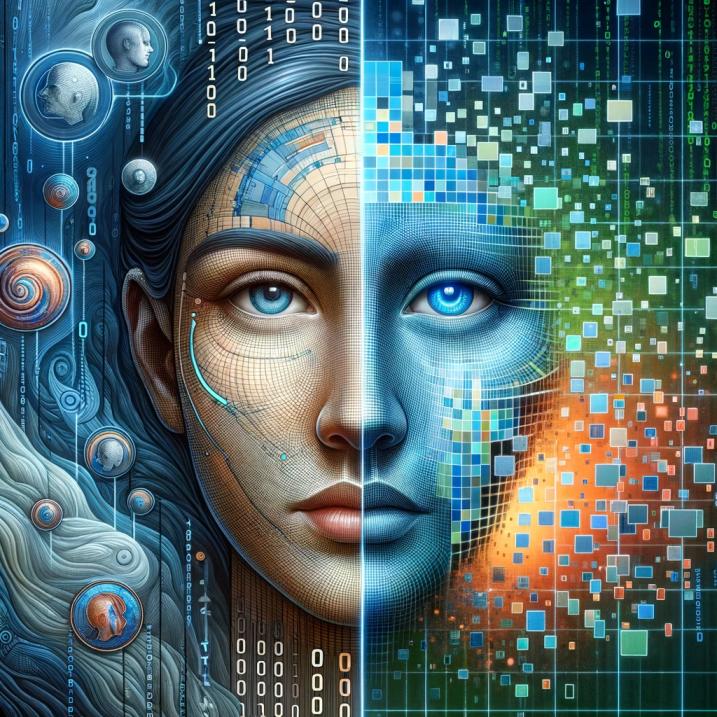
Understanding Deepfakes: A Revolutionary but Controversial Technology
Deepfakes have emerged as one of the most discussed and debated technological advancements in recent years. They represent a breakthrough in artificial intelligence (AI) and machine learning, but with great power comes great responsibility. Deepfakes can generate incredibly realistic, synthetic media—such as videos, images, and audio—making it difficult to distinguish between real and manipulated content. While the potential for creativity and innovation is vast, Deepfake (딥페이크) also raise significant ethical and social concerns.
What Are Deepfakes?
At its core, deepfake technology uses AI to create realistic alterations to visual and audio media. It combines deep learning algorithms with vast datasets, typically consisting of videos or images of real people, to generate convincing imitations of their faces, voices, or actions. These alterations can be as simple as swapping faces in videos or as complex as generating entirely new, fabricated scenarios where someone appears to say or do something they never actually did.
The term “deepfake” comes from “deep learning,” which refers to the technology’s reliance on neural networks to simulate human likenesses with astonishing accuracy. In the right hands, deepfakes can enhance creativity, improve entertainment, and transform industries like film and gaming. However, in the wrong hands, they can also be weaponized for misinformation, defamation, and fraud.
The Power and Potential of Deepfake Technology
While deepfakes are often associated with controversy, their potential benefits should not be overlooked. In the entertainment industry, deepfake technology is already being used to create visually stunning effects, such as digitally de-aging actors or reviving deceased performers for new roles. Filmmakers can create compelling scenes without the logistical constraints that previously hindered production, such as an actor’s aging or inability to film.
In education and training, deepfakes are opening up opportunities for immersive learning experiences. Educators can recreate historical events or simulate complex scenarios that help students develop critical thinking skills and empathy. For example, students could experience famous speeches or engage in virtual simulations with lifelike interactions, making the learning process more engaging and effective.
In healthcare, deepfake technology could revolutionize medical training by offering realistic, safe environments for practicing surgeries or diagnosing rare conditions. By creating hyper-realistic simulations, trainees can gain hands-on experience without any risk to patients.
The Dark Side of Deepfakes
However, despite the promising applications, deepfakes have sparked serious ethical concerns. The most prominent of these is the potential for deception and misinformation. For example, deepfakes can be used to fabricate videos that make it appear as though a public figure said or did something damaging or controversial. This can undermine trust in media, leading to a post-truth society where it becomes difficult to discern fact from fiction.
Additionally, deepfakes pose significant privacy risks. With the technology becoming increasingly accessible, individuals may find themselves targeted by malicious actors who can use their likeness for fraudulent purposes. Whether it’s creating fake videos for blackmail or impersonating someone to steal personal information, the potential for harm is vast.
Ethical Considerations and Solutions
As deepfake technology continues to evolve, it’s essential to balance innovation with ethical responsibility. Governments and tech companies are working together to develop safeguards and detection tools to identify deepfakes. Media literacy campaigns can also educate the public on how to spot fake content, ensuring people don’t fall prey to deceptive videos or hoaxes.
Moreover, creating a set of ethical guidelines for the use of deepfakes is critical to prevent malicious exploitation. This includes ensuring that people’s likenesses are not manipulated without their consent and that deepfake content is not used for harmful purposes.
Conclusion
Deepfakes represent both a revolutionary leap forward and a complex challenge for society. The technology has immense potential to enhance creativity and improve various sectors, including entertainment, education, and healthcare. However, with the rapid growth of deepfake capabilities, it is crucial to address the ethical and security issues that accompany this innovation. As we move forward, the key will be finding a balance that fosters responsible use while mitigating the risks associated with AI manipulation. By doing so, we can ensure that deepfakes are a force for good, unlocking new possibilities without compromising truth and trust.