
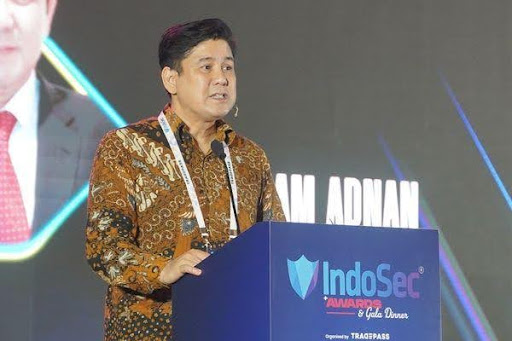
The Role of Professional Events in Enhancing Security Awareness
In today’s digitally connected world, organizations face constant threats that target data, systems, and critical infrastructure. To stay protected, professionals must keep learning and adapting to new security challenges. Cybersecurity seminars play a vital role in spreading awareness, sharing best practices, and helping businesses understand how to respond to evolving risks. Indonesia, with its fast-growing digital economy, has become an important destination for meaningful discussions around cyber resilience, data protection, and secure digital transformation.
The Growing Importance of Cyber Awareness in Indonesia
Indonesia’s rapid adoption of cloud platforms, mobile applications, and online services has brought both opportunity and risk. Businesses across finance, healthcare, government, and e-commerce are increasingly dependent on digital systems. As this dependence grows, so does exposure to cyber threats such as ransomware, phishing, and data breaches. Knowledge-sharing events provide a structured way for professionals to understand these risks and learn how to manage them effectively.
Well-organized learning events create an environment where real-world challenges can be discussed openly. Experts from different industries share insights that help attendees recognize vulnerabilities and improve internal security strategies. These sessions also encourage collaboration between public and private sectors, which is essential for building a safer digital ecosystem.
Learning From Experts and Real-World Case Studies
One major advantage of attending security-focused events is direct access to experienced professionals. Speakers often include security leaders, policy makers, ethical hackers, and technology providers. Their presentations are usually based on real incidents, making the learning practical and relatable rather than theoretical.
Case studies help participants understand how attacks happen, what mistakes were made, and how similar issues can be prevented. This practical exposure allows organizations to review their own security posture and identify gaps before attackers do. Learning from others’ experiences can save time, money, and reputational damage.
Skill Development for Professionals at All Levels
Events designed around digital security cater to a wide audience. Beginners gain foundational knowledge about threats, compliance, and safe digital behavior. Mid-level professionals can deepen their technical skills, while decision-makers learn how to align security investments with business goals.
Workshops and panel discussions often focus on incident response planning, risk assessment, and regulatory compliance. These sessions help participants build confidence in handling security challenges and communicating risks to stakeholders. Continuous skill development is especially important in cybersecurity, where tools and attack methods change rapidly.
Building a Strong Professional Network
Another key benefit of attending such gatherings is networking. Professionals from different industries and regions come together, creating opportunities for collaboration and knowledge exchange. Conversations outside formal sessions often lead to partnerships, mentorships, and future business opportunities.
Strong professional networks are valuable during security incidents, when quick access to trusted experts can make a significant difference. Networking also helps individuals stay informed about trends, tools, and career opportunities within the cybersecurity field.
Supporting National Digital Growth Goals
Indonesia has clear ambitions to strengthen its digital infrastructure and promote innovation. Secure systems are a foundation for achieving these goals. Educational events support national priorities by promoting awareness of standards, regulations, and best practices.
When organizations understand their responsibilities around data protection and privacy, overall trust in digital services increases. This trust encourages more users and businesses to adopt online platforms, supporting economic growth. Knowledge-sharing initiatives therefore contribute not only to individual organizations but also to the broader national digital strategy.
Addressing Emerging Threats and Technologies
Cyber threats are not static. New technologies such as artificial intelligence, Internet of Things, and cloud computing introduce fresh security challenges. Learning platforms provide timely updates on how these technologies can be secured effectively.
Sessions often explore topics like zero trust architecture, threat intelligence, and secure software development. By staying informed, professionals can make better decisions when adopting new technologies and avoid common security pitfalls.
Encouraging a Culture of Security Awareness
Technology alone cannot prevent cyber incidents. Human behavior plays a major role in security outcomes. Educational events emphasize the importance of creating a security-aware culture within organizations.
Discussions around employee training, clear policies, and leadership involvement highlight how everyone has a role to play in protecting digital assets. When awareness spreads across all levels of an organization, the likelihood of successful attacks is reduced significantly.
Why Indonesia Is an Ideal Hub for Knowledge Exchange
Indonesia’s diverse business landscape and large talent pool make it an ideal location for regional learning events. Professionals from neighboring countries often participate, bringing different perspectives and experiences.
This diversity enriches discussions and helps attendees understand regional threat patterns. It also positions Indonesia as a leader in promoting cybersecurity awareness within Southeast Asia, strengthening cross-border cooperation.
Preparing for the Future With Continuous Learning
Cybersecurity is not a one-time effort. Continuous learning is essential to stay ahead of attackers. Regular participation in seminars and discussions ensures that professionals remain updated on regulations, technologies, and threat landscapes. Organizations that encourage their teams to engage in ongoing education are better prepared to handle incidents and adapt to change.
Regular participation in professional gatherings not only updates teams on the latest threats but also exposes them to innovative solutions, practical tools, and peer experiences. This continuous engagement helps organizations anticipate challenges, adapt strategies effectively, and cultivate a proactive mindset that turns security from a reactive measure into a competitive advantage.
Conclusion
As digital transformation accelerates, the need for informed and prepared professionals becomes more critical than ever. Events like a well-curated conference in Indonesia offer valuable opportunities to learn, connect, and strengthen defenses against cyber threats. By participating in such platforms, organizations and individuals can contribute to a safer digital environment.
To stay ahead in the cybersecurity landscape and be part of meaningful conversations with industry leaders, consider engaging with platforms like IndoSec Summit. Events promoted through IndoSec Summit bring together knowledge, expertise, and collaboration under one roof. Taking part in these initiatives is a smart step toward building resilience, trust, and long-term digital success. Beyond just learning, attendees gain access to networking opportunities, exposure to the latest technologies, and insights into emerging threats, equipping organizations to make informed decisions and strengthen their security posture for years to come.