
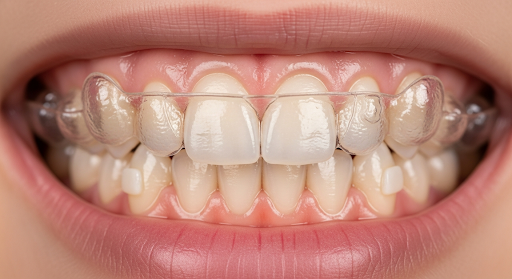
A Complete Guide to Invisalign Treatment for a Straighter Smile
Achieving a confident, well-aligned smile no longer has to involve metal brackets or visible wires. Advances in orthodontic technology have made clear aligners a popular option for adults and teens seeking discreet teeth straightening. Invisalign treatment has emerged as one of the most widely trusted solutions, offering a balance of aesthetics, comfort, and clinical effectiveness. Understanding how this treatment works, who it is suitable for, and what the process involves can help you decide whether it is the right choice for your smile goals.
This guide explains Invisalign in a clear, structured way, covering everything from assessment to results, so you can make an informed decision.
What Is Invisalign and How Does It Work?
Invisalign is an orthodontic system that uses a series of custom-made, clear aligners to gradually move teeth into proper alignment. Unlike traditional braces, these aligners are removable and nearly invisible, making them appealing to people who want a subtle treatment option.
The process begins with a detailed digital assessment of your teeth. Using advanced scanning technology, orthodontists create a precise 3D model of your smile. This model is used to plan tooth movement step by step, showing how your teeth will shift over time. Each aligner is worn for a specific period before being replaced with the next one in the sequence, gradually guiding teeth into their desired positions.
Who Is a Good Candidate for Invisalign?
Invisalign is suitable for a wide range of orthodontic concerns, but it is not a universal solution for every case. It is commonly used to correct mild to moderate issues such as crowding, spacing, overbites, underbites, and crossbites.
A proper consultation is essential to determine eligibility. During this assessment, the orthodontist evaluates tooth alignment, jaw structure, and bite function. Some complex orthodontic cases may still require traditional braces or a combination of treatments. A personalized evaluation ensures that Invisalign is both safe and effective for your specific needs.
The Invisalign Treatment Process Step by Step
The Invisalign journey follows a structured, predictable process designed to ensure accuracy and comfort.
The first stage involves consultation and digital scanning. Instead of traditional impressions, modern clinics use digital scanners to capture detailed images of your teeth. This data is used to design a customized treatment plan.
Once the aligners are created, patients receive a series of trays with instructions on how long to wear each one. Aligners are typically worn for most of the day and night, except during meals and oral hygiene routines. Regular check-ins with the orthodontist help monitor progress and make adjustments if needed.
Treatment duration varies depending on the complexity of the case, but many patients begin noticing visible improvements within a few months.
Key Benefits of Invisalign Treatment
Invisalign offers several advantages that make it a preferred option for many patients. These benefits extend beyond appearance and contribute to overall treatment comfort and lifestyle convenience.
- Discreet appearance
The clear aligners are designed to be barely noticeable, allowing patients to smile, speak, and interact confidently during treatment. This makes Invisalign especially appealing for professionals and individuals who prefer subtle orthodontic care.
- Comfort and convenience
Aligners are made from smooth, medical-grade material that minimizes irritation. Because they are removable, patients can eat without restrictions and maintain their normal oral hygiene routines.
- Predictable results
Digital treatment planning allows patients to see a visual representation of their expected results before treatment begins. This transparency helps set realistic expectations and builds confidence in the process.
Daily Life During Invisalign Treatment
Living with Invisalign requires consistency and responsibility. Aligners must be worn as prescribed to ensure effective results. Skipping wear time or not following instructions can delay progress.
Most patients adapt quickly to the routine. Aligners are easy to remove for meals, brushing, and special occasions. Speech adjustments may occur initially, but these typically resolve within a short time as the mouth adapts.
Maintaining good oral hygiene is crucial. Cleaning aligners regularly and brushing after meals helps prevent staining and supports overall dental health throughout treatment.
Invisalign and Oral Health
Straightening teeth is not only about aesthetics. Proper alignment plays a significant role in oral health. Misaligned teeth can make cleaning difficult, increasing the risk of cavities and gum disease.
Invisalign helps improve bite alignment, which can reduce uneven tooth wear and jaw discomfort. By making teeth easier to clean and improving overall function, Invisalign contributes to long-term dental health alongside cosmetic improvement.
Understanding Costs and Value
The cost of Invisalign varies based on treatment complexity, duration, and clinical expertise. While it may be comparable to traditional orthodontic options, the value lies in comfort, discretion, and advanced planning.
Many clinics offer flexible payment plans to make treatment more accessible. During consultation, patients should receive a clear breakdown of costs, treatment timelines, and expected outcomes. Transparency at this stage helps avoid surprises and ensures confidence in the investment.
Why Professional Expertise Matters
The success of Invisalign depends heavily on the experience and planning skills of the dental professional. While the aligners are manufactured using advanced technology, the treatment plan is designed and monitored by the orthodontist.
Choosing a clinic with expertise in digital dentistry, orthodontic planning, and patient follow-up ensures that aligners are used effectively. Regular monitoring allows timely adjustments, helping achieve the desired results safely and efficiently.
Long-Term Results and Retention
After completing Invisalign treatment, maintaining results is essential. Teeth naturally tend to shift over time, so retainers are usually recommended to preserve alignment.
Wearing retainers as advised helps protect the investment and ensures long-lasting results. Ongoing dental checkups support continued oral health and alignment stability.
Summary
Invisalign has transformed the way people approach orthodontic care by offering a discreet, comfortable, and technologically advanced alternative to traditional braces. From initial assessment to final results, the process is designed to fit seamlessly into modern lifestyles while delivering effective outcomes. For individuals considering orthodontic care, Invisalign provides a clear path to improved alignment, oral health, and confidence.
For patients exploring Invisalign in Dubai, clinics like Queens Medical Center align well with the expectations of modern orthodontic care. With advanced diagnostic technology, experienced dental professionals, and a patient-focused approach, Queen’s Medical Center offers Invisalign services tailored to individual needs. By combining clinical expertise with personalized care, they help patients achieve straighter smiles through a structured and transparent treatment journey.